
Phone:
(316) 494-0526
Email:
Contact@ccrserve.com
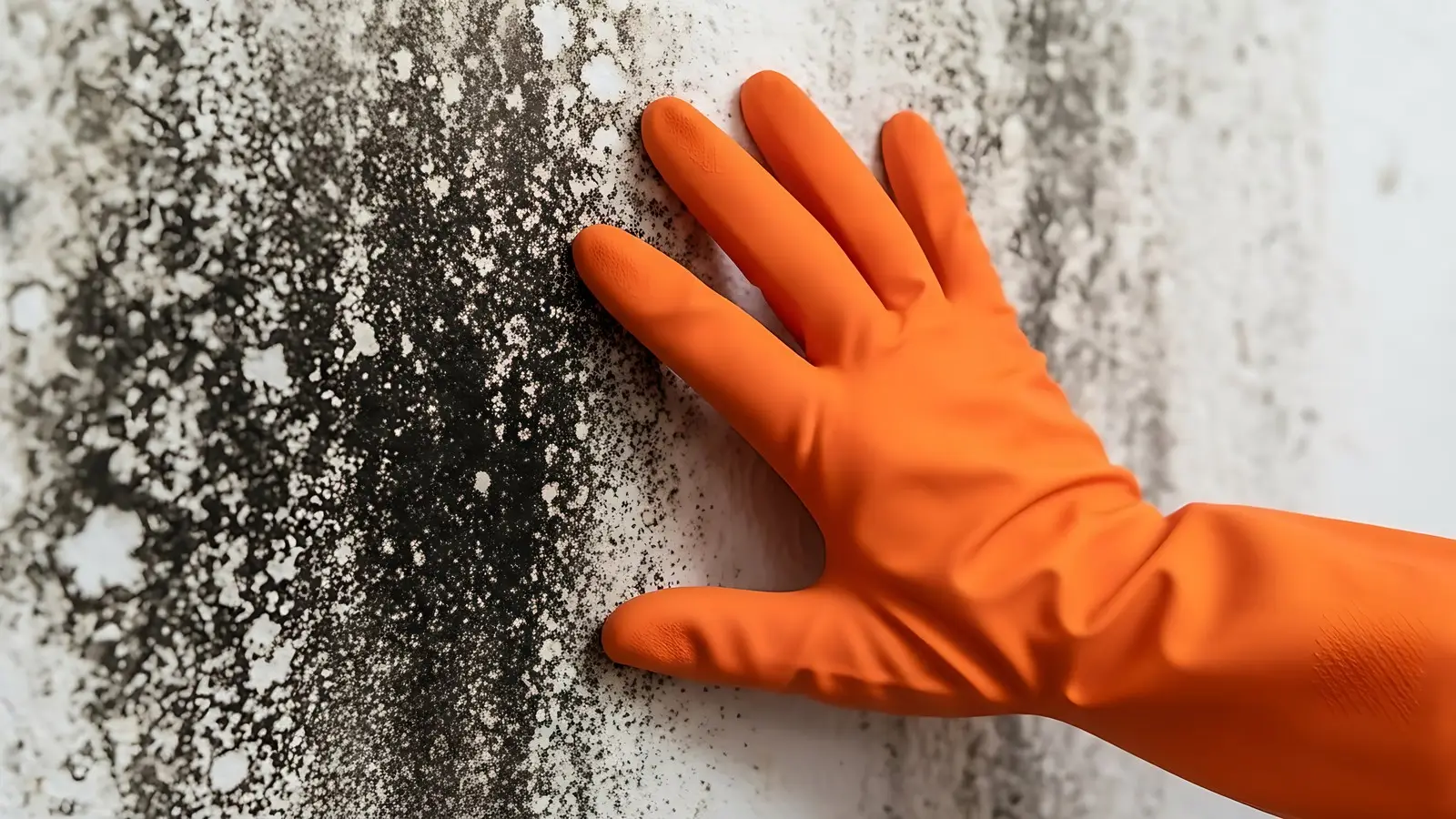
Most mold remediation projects take one to five working days, although extensive or difficult conditions may require a week or longer. Project size, moisture levels, affected materials, accessibility, containment needs, and third-party testing can influence the schedule. Reconstruction may continue after remediation, especially when drywall, insulation, flooring, or other damaged materials need replacement.
Finding suspicious growth after a leak, flood, or humidity problem can leave you wondering what happens next and how long the disruption may last.
A common question is, “How long does mold remediation take?” The answer depends on the size of the affected area, the materials involved, the moisture source, and the access available to restoration professionals.
Some projects move quickly, while others require added drying, containment, testing, or reconstruction. A careful professional assessment gives you the clearest picture of the work involved and the time your property may need.
A typical residential remediation project often takes one to five working days, depending on the conditions found across the affected property. Small, accessible areas may be completed within one or two days, while larger spaces can require a week or more.
This estimate usually covers active remediation, including containment, material removal, surface cleaning, structural drying, moisture monitoring, and detailed final cleanup. It does not always include third-party inspection, laboratory testing, insurance approval, scheduling delays, repairs, or reconstruction.
A responsible timeline begins with the actual scope of work, since hidden moisture, damaged materials, and additional affected areas can change the schedule after the initial project assessment for your specific property.
The overall size of the project directly affects the amount of containment, cleaning, material removal, drying, monitoring, and debris disposal required.
A single visible area on an exposed wall is generally much easier to address than suspected microbial growth beneath flooring, above ceilings, behind cabinetry, or inside enclosed wall cavities. Porous materials such as drywall, insulation, carpet padding, and ceiling tiles often require controlled removal when professional cleaning is no longer sufficient.
High moisture readings, active plumbing leaks, heavily furnished rooms, stored belongings, crawl spaces, attics, and HVAC involvement can all increase the amount of preparation, protection, and equipment needed.
Multiple affected rooms or separate work areas may also require independent containment zones. This will increase setup time, daily monitoring, material handling, controlled movement, and final cleaning before each section can be cleared.
Equipment may remain in operation until every contained area reaches appropriate moisture conditions for the next stage of restoration.
Professional remediation begins with a careful evaluation of the affected area, surrounding building materials, and moisture conditions contributing to suspected microbial growth.
The moisture source must first be corrected before the structure can remain dry. Containment barriers and air filtration equipment are then installed to protect surrounding areas and control airborne particles within the work zone.
Materials that cannot be restored are removed under carefully controlled conditions. Remaining structural surfaces receive detailed cleaning using professional equipment and techniques selected for each material, location, and level of impact.
Drying equipment continues operating until moisture readings reach acceptable levels. The project is then completed with detailed final cleaning, documentation, equipment removal, and independent verification when required by the scope of work.
Some remediation projects require additional time when microbial growth remains hidden, moisture continues entering the property, or multiple rooms need separate containment and drying equipment.
Extensive demolition can also extend the schedule when drywall, insulation, flooring, cabinetry, or ceiling materials must be removed before cleaning can safely continue. Laboratory testing, insurance approvals, difficult access, occupied spaces, contents handling, and elevated moisture readings may delay the next phase of the project.
Drying schedules should always be based on measured moisture conditions instead of predetermined dates because building materials release moisture at different rates throughout multiple monitoring visits. Reconstruction begins after remediation and any required verification has been completed.
Replacing drywall, repainting, installing flooring, or rebuilding damaged areas may continue for several days or even weeks beyond the active remediation process.
There are many reasons why the answer to “How long does mold remediation take?” varies from one property to another.
Every remediation timeline depends on moisture levels, affected materials, accessibility, containment requirements, and the overall size of the work area. Responding quickly after water damage can reduce further spread and may decrease the amount of material that requires removal.
At Christian Cleaning & Restoration, we perform water restoration and microbial growth remediation for homes and businesses throughout Wichita and nearby communities. As a locally owned, faith-driven company, we follow IICRC-certified practices, communicate clearly throughout the project, and develop a timeline based on the actual conditions found at your property.
We also perform carpet cleaning, commercial cleaning, and recurring home cleaning for clients seeking ongoing property care.
Contact us today to schedule a professional assessment and receive a clear remediation plan. We are ready to help restore your space with quality, integrity, and reliability every time.
Most residential remediation projects take about one to five working days. Small, accessible areas may take less time, while larger projects can last a week or longer. The estimate may change after professionals evaluate moisture levels, affected materials, access conditions, containment needs, and the number of rooms involved in the property.
Hidden microbial growth, active leaks, high moisture readings, HVAC involvement, difficult access, and extensive material removal can extend the schedule. Third-party testing, laboratory results, insurance authorization, and separate containment zones may also add time. Reconstruction is a different phase and can continue for days or weeks after active remediation is complete.
Whether you can remain in the property depends on the location and size of the affected area, the containment plan, and which rooms are involved.
Work near an HVAC system, kitchen, bathroom, or several occupied rooms may require temporary relocation. Follow the recommendations provided for your specific remediation project and property conditions.