
Phone:
(316) 494-0526
Email:
Contact@ccrserve.com
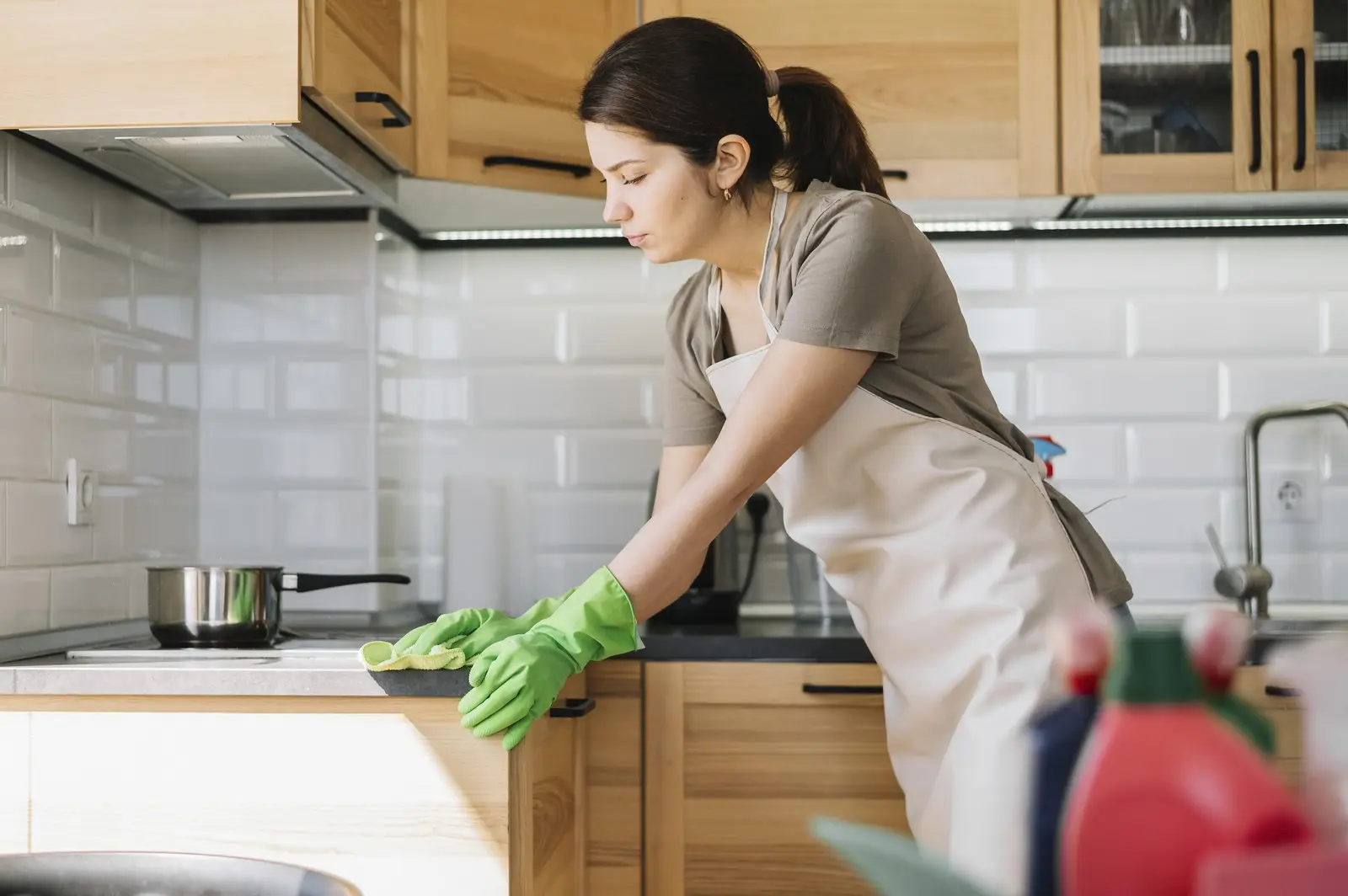
What is included in a deep house cleaning? It involves far more than routine housekeeping by removing buildup from baseboards, fixtures, cabinets, floor edges, and other commonly overlooked areas. Kitchens, bathrooms, bedrooms, and living spaces receive more detailed attention, while appliance interiors, window cleaning, carpet extraction, and similar specialty services may require advance approval. A detailed checklist helps match the service to your home’s condition, priorities, and expected appointment length.
A home can look tidy while dust, grease, residue, and pet hair collect along baseboards, fixtures, cabinet surfaces, and hidden edges. These overlooked areas can affect how fresh and comfortable each room feels, even when routine cleaning is performed regularly.
So, what is included in a deep house cleaning? The answer depends on the home’s condition, priorities, and service scope. Deep cleaning gives attention to buildup and less frequently cleaned surfaces.
Here is a closer look at what separates deep house cleaning from regular upkeep.
A well-maintained home usually receives consistent attention to visible dust, floors, counters, sinks, toilets, tubs, mirrors, and appliance fronts. Routine service supports that ongoing condition, while deep cleaning takes more time and reaches the buildup that collects between regular visits.
Baseboards, door frames, window ledges, cabinet surfaces, carpet edges, and reachable spaces beneath furniture often receive closer care. This added detail can create a cleaner starting point before recurring service begins. The difference comes down to labor, precision, and the condition of each room.
Knowing how these service levels compare supports a better booking decision that fits your home, schedule, priorities, expectations, and current cleaning needs with complete confidence before you invite a professional team into the property for service.
Even the cleanest-looking rooms can hide dust and residue in areas that receive little attention during everyday cleaning. Deep cleaning targets these often-missed details with careful work around trim, fixtures, edges, and other hard-to-reach surfaces.
Baseboards are typically cleaned with a mop, though some areas may be hand-wiped when needed. Doors and door frames receive extra attention around handles, corners, and lower panels. Blinds, window sills, ceiling fans, light fixtures, furniture surfaces, upholstery, carpet edges, and accessible areas beneath beds and sofas may also be cleaned according to the agreed checklist.
Decorative items can receive individual attention when they can be handled safely and time permits. This greater level of detail gives every room a more polished appearance while keeping the visit focused on cleaning instead of organizing, repairs, or moving heavy furniture.
Every day cooking leaves grease, crumbs, food residue, and fingerprints on surfaces that may appear clean at first glance. A deep kitchen cleaning commonly includes countertops, sinks, faucets, stovetops, range hoods, backsplashes, cabinet fronts, appliance exteriors, baseboards, and floors.
Doors, door frames, window sills, and kitchen furniture may also be covered under the selected checklist. The amount of work depends on the condition of each surface and the level of buildup.
Oven interiors, refrigerator interiors, and cabinet interiors often require advance approval because they require additional time and labor.
Older grease buildup may also require specialized treatment. Discussing priorities before the appointment helps the cleaning team arrive with the right products, equipment, and enough time to complete the requested work thoroughly across the selected kitchen areas.
Daily moisture, soap residue, and hard water deposits can leave noticeable buildup around fixtures, tile, glass, and floor edges. A deep bathroom cleaning typically includes toilets, tubs, showers, shower doors, sinks, vanities, mirrors, faucets, cabinet surfaces, baseboards, and window sills.
Additional attention may be given to corners, hardware, grout lines, and the area surrounding the toilet base. Grout scrubbing may be included when it falls within the agreed scope of work. Older stains, damaged grout, and mineral deposits may remain visible after standard cleaning, depending on their condition.
Setting clear expectations helps distinguish between issues that cleaning can improve and those that require repair, restoration, or another specialized service before the appointment begins.
Soft furnishings, trim, fixtures, and floor edges can accumulate dust even when a room looks neat. Deep cleaning in bedrooms and shared living areas may include ceiling fans, light fixtures, blinds, window sills, doors, door frames, baseboards, furniture surfaces, carpet edges, and hard flooring.
Upholstered furniture may be vacuumed by special request to remove loose dust, crumbs, and pet hair from accessible areas. Reachable spaces beneath beds, sofas, tables, and other furniture may also receive attention, while heavy furniture usually remains in place unless arrangements have been made in advance.
Decorative items can be cleaned individually when they are safe to handle and included on the checklist.
This detailed approach refreshes living spaces without turning the appointment into a decluttering or home organization service.
Certain requests involve added time, specialty equipment, or separate pricing, so they should be discussed before the appointment. Oven interiors, refrigerator interiors, cabinet interiors, full wall washing, interior windows, exterior windows, carpet extraction, upholstery cleaning, and intensive grout treatment often fall into this category.
Appliance fronts and light spot cleaning may be included in a standard checklist, while interior work usually needs advance approval. Carpet vacuuming also differs from professional carpet cleaning, which treats soil embedded deeper within the fibers. Heavy furniture movement may carry safety and access limits.
Asking for a written scope and identifying priority areas helps the provider reserve enough time, prepare appropriate equipment, and avoid confusion about optional, restricted, or separately priced specialty work.
Changes in your routine often make it clear when regular cleaning is no longer enough to control buildup around trim, cabinets, fixtures, and floor edges.
Many homeowners schedule deep cleaning before hosting guests, during seasonal changes, after especially busy periods, or before starting recurring cleaning services. It is also a practical choice before moving into a new home, after moving out, during rental turnovers, or before listing a property for sale. Household size, pets, daily activity, and the home’s overall condition all affect how often deep cleaning is needed.
Some households benefit from occasional appointments, while busier homes may require them more frequently. A professional estimate can identify which rooms need the most attention and estimate the time required.
Scheduling service before buildup becomes excessive helps make ongoing maintenance easier and keeps the home looking cleaner over the long term.
A deeper clean gives your home a fresh starting point by addressing buildup that routine upkeep can leave behind. The best results come from a clearly defined scope that reflects your priorities, the condition of each room, and any specialty services requested in advance.
With realistic expectations, you can choose the right level of care and feel confident about what your appointment will include. This thoughtful approach helps every selected area receive appropriate attention throughout.
At Christian Cleaning & Restoration, we provide customized deep house cleaning for homes throughout Wichita and nearby communities. Our faith-driven, locally-owned company pairs detailed service with a 24-hour satisfaction guarantee and more than 200 five-star reviews.
We can also help with recurring home cleaning and professional carpet cleaning when your property needs continued care beyond a one-time visit.
Contact us today to request your personalized estimate and schedule a professional deep clean that fits your home.
Deep cleaning may include appliance exteriors as part of the standard service, while oven interiors, refrigerator interiors, and cabinet interiors often require advance confirmation. These tasks take extra time and may carry separate pricing.
Review the service checklist before booking so the cleaning team can prepare the right products, tools, and appointment length for your selected priorities.
The time required depends on the home’s size, current condition, number of rooms, level of buildup, and any specialty services requested.
A smaller, maintained home may take less time than a larger property that has gone without detailed cleaning. A professional estimate provides a clearer timeframe based on the actual work needed.
Most homes benefit from deep cleaning during seasonal transitions, before guests arrive, after a demanding period, or before recurring cleaning begins.
Homes with pets, children, heavy daily activity, or limited routine upkeep may need it more often. The ideal schedule depends on how quickly dust, grease, residue, and floor edge buildup return.