
Phone:
(316) 494-0526
Email:
Contact@ccrserve.com
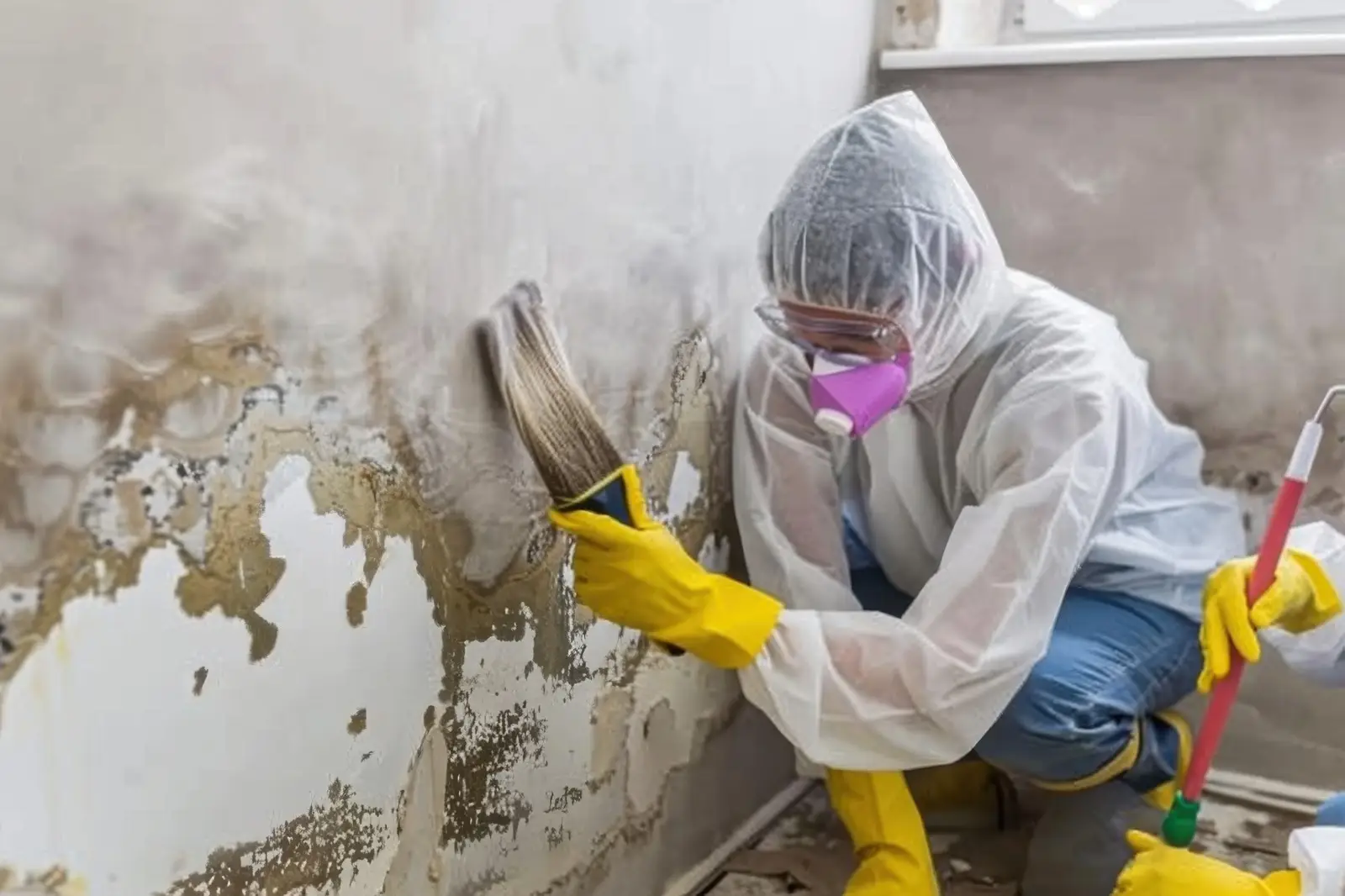
After remediation, the property should remain dry, professionally reviewed, and ready for reconstruction before normal use resumes. Keeping complete project records and watching for new moisture conditions can help protect the completed work. Any returning water, dampness, odors, or visible microbial growth should receive prompt professional attention.
Completing a remediation project can bring relief, yet the period that follows still deserves careful attention. Property owners often face questions about moisture control, professional clearance, rebuilding, and the right time to use the affected space again.
Understanding what to do after mold remediation helps you protect the completed work and respond wisely to new warning signs. The next steps should reflect the project scope, professional recommendations, and the current condition of the property.
So, what should you do first once the remediation team has finished its work on site?
Before reconstruction begins, the property should be inspected for any condition that could cause moisture to return. Ask the appropriate professional to verify that plumbing leaks, roof damage, poor drainage, condensation, flooding, excessive humidity, or other moisture sources have been corrected.
Materials within the affected area should also reach acceptable drying levels before installing drywall, flooring, insulation, cabinets, or trim. Sealing an area while moisture remains trapped can create conditions for renewed microbial growth. Review moisture readings, repair documentation, and drying records to understand what was addressed.
If water intrusion continues or new dampness appears, postpone reconstruction and request another professional evaluation. This careful review helps protect the completed remediation work and contributes to a more durable restoration throughout the remaining stages of the project.
After active remediation is complete, a thorough walkthrough helps you understand the work that was performed inside the treated area.
Ask the remediation team to explain which surfaces were cleaned, which materials were removed, the drying methods used, repairs that fall outside the project scope, and any locations that should continue to be monitored. Review photographs or project documentation showing the property before, during, and after remediation, and ask if final moisture readings were recorded.
Avoid opening walls, lifting flooring, moving insulation, or disturbing concealed spaces because these areas may still require professional handling.
Before the walkthrough concludes, confirm who you should contact if new stains, dampness, odors, or visible microbial growth develop.
A detailed review gives you a complete understanding of the finished work and helps prepare for reconstruction or reoccupying the space without unnecessary confusion.
Some remediation projects benefit from an independent review before reconstruction or normal occupancy begins. A qualified third-party inspector may perform a visual assessment, measure moisture levels, compare current conditions with the original project scope, and collect samples when appropriate.
Christian Cleaning & Restoration is not a mold inspection company and does not diagnose mold or issue independent clearance decisions. Suspected or visible microbial growth should always be evaluated by a qualified inspector or laboratory whenever formal confirmation is necessary.
Ask the inspector to explain which areas were examined, the methods used during the evaluation, and whether any recommendations could affect reconstruction or re-occupancy.
A written verification report can be valuable for insurance communication, property records, and future repair planning while giving you documented information for upcoming decisions.
After the project is complete, organized documentation makes future repairs, insurance claims, property transactions, and warranty questions much easier to manage. Keep copies of the original inspection report, remediation scope, photographs, drying logs, invoices, payment records, and any post-remediation verification reports.
Save notes describing removed materials, completed repairs, equipment used, and recommendations for reconstruction or future moisture management. Store these documents in a secure location alongside your property records. Include claim numbers, estimates, receipts, emails, and insurer correspondence related to the loss.
Reviewing warranty terms while the details remain fresh can also prevent misunderstandings later. A complete project file gives contractors, inspectors, insurers, and future buyers a clear record of the work that was completed.
Starting reconstruction or returning to normal occupancy too soon can create hidden problems behind newly installed materials.
Drywall, insulation, flooring, trim, paint, and cabinetry should only be installed after appropriate drying goals have been achieved and any required third-party clearance has been completed. Covering damp materials prematurely can trap moisture and create favorable conditions for renewed microbial growth.
Follow written recommendations from the remediation team, independent inspector, insurance company, or reconstruction contractor before scheduling repairs or returning to the affected area. Individuals with respiratory conditions, allergies, immune concerns, or other health-related questions should consult a qualified healthcare professional before reentering the space.
Completing each stage in the proper order helps protect the remediation work, leads to better reconstruction decisions, and minimizes avoidable complications as the property returns to everyday use.
Once the project is finished, maintaining proper indoor conditions becomes an important part of protecting the completed work. Control humidity through effective ventilation, well-maintained air conditioning, and professional dehumidification when additional moisture control is necessary.
A humidity monitor can help track changing indoor conditions over time, although readings should always be considered together with professional recommendations and the property’s overall condition.
Watch for plumbing leaks, roof leaks, condensation, damp flooring, water stains, peeling paint, warped materials, or persistent musty odors. These conditions do not automatically indicate mold, but they may point to a moisture problem that deserves professional evaluation.
Request an inspection if water returns, suspected microbial growth becomes visible, or indoor conditions change without an obvious explanation. Ongoing monitoring helps identify small moisture issues before they develop into larger property concerns.
Knowing what to do after mold remediation also means staying alert for changes that could affect the long-term results of the project.
A completed remediation project deserves thoughtful follow-through. The strongest results come from keeping moisture under control, respecting professional clearance, and acting quickly when new dampness or suspected microbial growth appears.
Careful recordkeeping also gives you a clear history of the work and supports future property decisions. With these habits in place, you can move forward with greater confidence and protect the progress already made for years ahead.
Christian Cleaning & Restoration provides professional microbial growth remediation, water restoration, carpet cleaning, commercial cleaning, and recurring home cleaning throughout Wichita and nearby communities.
Our faith-driven approach, IICRC-certified practices, and 24-hour satisfaction guarantee reflect our commitment to quality, integrity, and reliable service. We can help you address moisture-related damage, restore affected areas, and plan the next steps with clear communication from start to finish.
Contact us today to discuss your property, request an estimate, and schedule professional service with our local team.
The timing depends on the project scope, drying progress, and whether independent verification is required. Reoccupation should follow guidance from the remediation team, third party inspector, insurer, or healthcare provider when health concerns exist.
Avoid returning simply because equipment has been removed, since drying, clearance, or reconstruction steps may still be incomplete.
Testing is not required for every project, but it may be requested by the property owner, insurer, property manager, or remediation plan.
When testing or formal clearance is needed, it should be completed by a qualified independent inspector or laboratory. Christian Cleaning & Restoration does not perform mold inspections or issue independent clearance decisions.
Contact a professional if water returns, damp materials appear, musty odors persist, or visible microbial growth develops. These signs do not confirm mold, but they can point to a moisture problem that needs prompt evaluation. Quick action can help protect completed remediation work and reduce the chance of further property damage.