
Phone:
(316) 494-0526
Email:
Contact@ccrserve.com
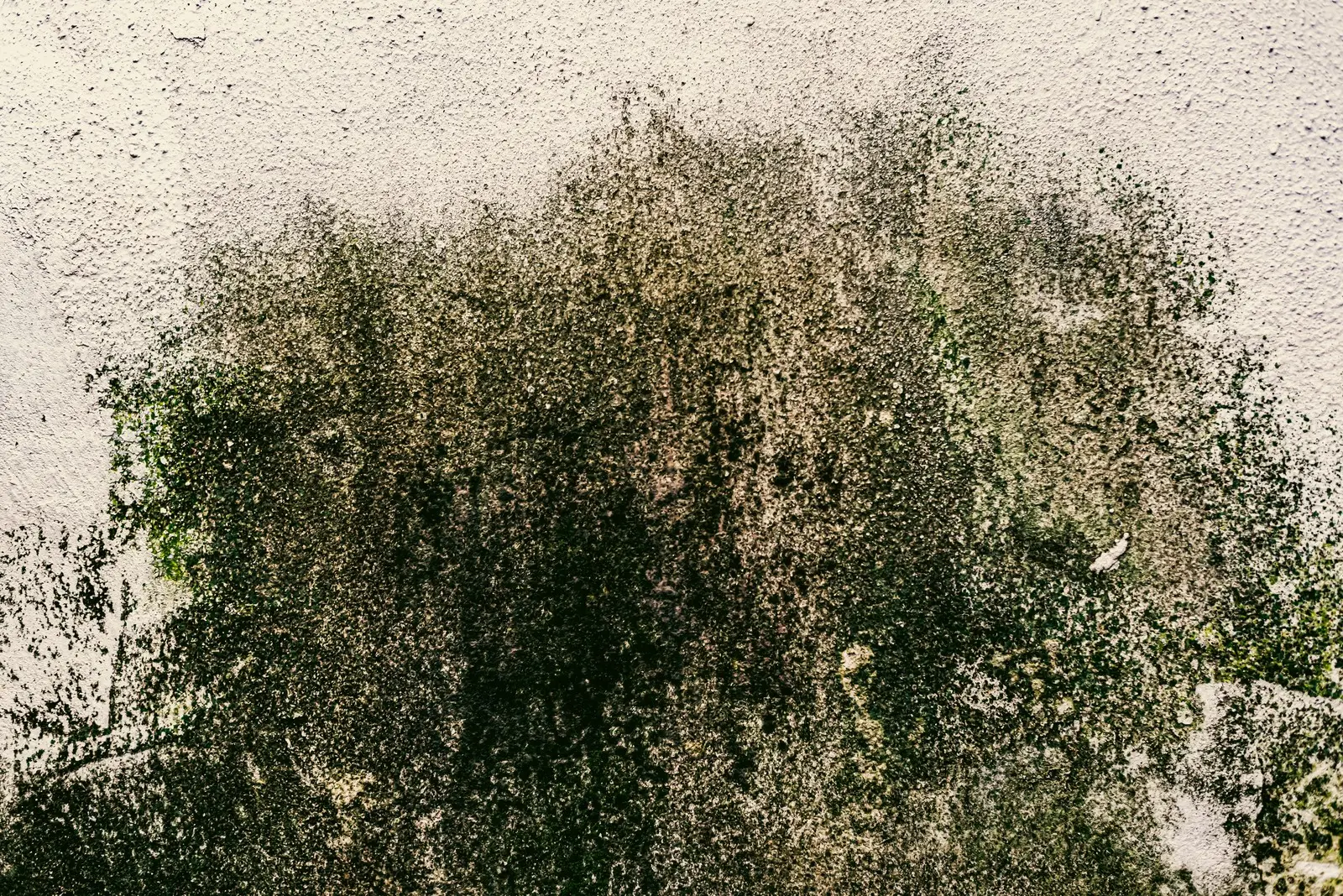
Professional repair begins with correcting the moisture source and evaluating how deeply affected materials have deteriorated. Controlled remediation, detailed cleaning, structural drying, and moisture monitoring prepare the area for reconstruction. Damaged drywall, flooring, insulation, and finishes should only be replaced after the space is clean, dry, and ready for lasting repairs.
Moisture can remain trapped inside walls, beneath flooring, and around materials long after a leak appears resolved. Damp conditions may lead to staining, musty odors, softened surfaces, and suspected microbial growth in areas you cannot easily see.
When you search for how to repair mold damage, the real concern often involves the condition of the materials and the source of moisture behind them. Porosity, exposure time, and water movement can all shape the extent of the damage.
Here is why your property needs a professional response before repairs move forward.
A fresh coat of paint or a quick surface wipe may improve the appearance of an affected area, but the underlying problem can still remain.
Suspected microbial growth may extend into drywall, insulation, carpet padding, framing, or subflooring where surface cleaning cannot reach. Hidden moisture may continue weakening building materials long after visible stains have faded.
Professional restoration evaluates moisture movement, material porosity, and structural condition before determining what can remain in place. This broader assessment helps identify the right balance between cleaning, controlled removal, and replacement.
It also reduces the risk of recurring damage before reconstruction begins. This makes moisture source identification the next critical step in how to repair mold damage.
Before reconstruction begins, the source of unwanted moisture must first be identified and corrected. Plumbing leaks, roof damage, appliance failures, flooding, condensation, and elevated indoor humidity can all contribute to microbial growth.
Newly installed drywall, flooring, or paint may deteriorate again if water continues entering the same area. Restoration professionals use moisture meters, thermal imaging, and structural evaluations to locate moisture beyond visible surfaces.
They also examine how water travels through connected building materials and concealed spaces.
Once these issues have been addressed, the restoration plan can move forward with clearer priorities, defined repair boundaries, and a better understanding of the affected portions of the property before damaged finishes are replaced.
Several factors influence decisions about repairing or replacing affected materials during a professional assessment. Moisture exposure, odors, staining, visible microbial growth, and physical deterioration all help determine the appropriate course of action.
The amount of time materials remain wet also affects whether they can be cleaned, dried, or replaced. Porous materials often absorb contamination more deeply than tile, metal, or other non-porous surfaces. Hidden sections behind walls, beneath flooring, or underneath cabinetry may also require closer examination when moisture has spread beyond visible finishes.
Christian Cleaning & Restoration does not inspect for or confirm mold. Independent testing may be recommended whenever formal identification is required before restoration decisions are made.
A properly controlled work area separates affected materials from surrounding rooms before demolition or remediation begins. Sealed containment barriers, restricted access, air filtration, and negative air pressure help reduce the movement of dust and airborne particles throughout the project.
Protective equipment helps technicians handle affected materials safely while working inside the containment zone. The exact setup depends on the room size, building layout, occupancy, and the amount of material involved. Careful preparation minimizes unnecessary exposure to nearby finishes and personal belongings.
Once containment is complete, restoration crews can begin material removal or cleaning with greater precision, reduced disruption, and a smoother transition into the next phase of restoration throughout residential or commercial properties.
Building materials respond differently to prolonged moisture exposure and suspected microbial growth.
Drywall, insulation, ceiling tiles, carpet padding, and severely damaged flooring often require controlled removal when contamination extends beneath the surface. Structurally sound framing, tile, metal, and certain durable finishes may remain suitable for professional cleaning and drying.
Every recommendation depends on material porosity, structural deterioration, exposure time, and overall condition. A careful assessment prevents unnecessary demolition while preserving materials that remain structurally sound.
This approach prepares the remaining structure for detailed cleaning, moisture reduction, and accurate repair work without extending demolition beyond what the project requires.
Once materials that cannot be salvaged have been removed, the exposed structure should be thoroughly cleaned and dried under controlled conditions. Professional techniques may include HEPA vacuuming, surface cleaning, air filtration, dehumidification, and targeted airflow.
Chemical treatments alone cannot replace physical cleaning, moisture removal, or correction of the original water source. Throughout the drying process, technicians monitor moisture levels within framing, subflooring, and other structural materials.
Beginning reconstruction before hidden moisture has been eliminated can trap dampness behind new finishes, leading to recurring staining, odors, or microbial growth. A properly dried structure creates a stable foundation for replacing walls, flooring, trim, and interior finishes while improving the long-term performance of the completed repairs.
Once remediation and structural drying have been completed, reconstruction can restore the affected space to its finished appearance.
The work may include replacing drywall, insulation, baseboards, flooring, carpet, cabinetry, trim, or sections of subflooring. Priming and painting are completed after structural repairs have been finished and surfaces are ready for final coatings. The overall scope depends on demolition boundaries, transitions between finishes, and the condition of surrounding materials.
Proper sequencing prevents new finishes from covering unresolved damage or damp substrates. Following the correct process is an essential part of how to repair mold damage, resulting in a space that blends naturally with the surrounding interior while returning the room to a clean, functional, and visually complete condition.
Moisture-related damage can weaken building materials, affect hidden structural components, and create conditions that contribute to suspected microbial growth.
Lasting repairs depend on professional evaluation, proper structural drying, informed material decisions, and reconstruction completed only after the affected area is fully prepared. This method helps protect the value, appearance, and function of your home or commercial property.
Christian Cleaning & Restoration performs water restoration and microbial growth remediation for residential and commercial properties throughout Wichita and nearby communities. As a locally owned, faith-driven company, we follow IICRC-certified practices and stand behind every project with a 24-hour satisfaction guarantee.
Our team also performs carpet cleaning, commercial cleaning, and recurring home cleaning for properties that need continued care after restoration. More than 200 five-star reviews and our 2024 Best of Wichita awards reflect our commitment to quality, integrity, and dependable service.
Contact us today to discuss your property and request professional restoration support. Let us help you move forward with confidence.
The decision depends on how deeply moisture and suspected microbial growth have affected the material. Light surface impact may allow professional cleaning, while softened, deteriorated, or deeply affected drywall often requires controlled removal and replacement. A restoration professional should evaluate the surrounding insulation, framing, and moisture levels before any repair work begins.
Repairs can fail when water continues entering the same area or hidden dampness remains inside the structure. Correcting the source helps prevent new staining, material deterioration, and renewed microbial growth behind finished surfaces.
Professionals trace moisture movement, dry affected materials, and confirm that reconstruction can proceed under suitable conditions before installing new finishes.
Christian Cleaning & Restoration does not inspect, identify, or confirm mold. When formal identification or testing is needed, an independent qualified inspector or laboratory should complete that work. Restoration professionals can then use the findings, along with moisture readings and material conditions, to develop an appropriate remediation and repair plan for your property.